
Stand-Alone Novels
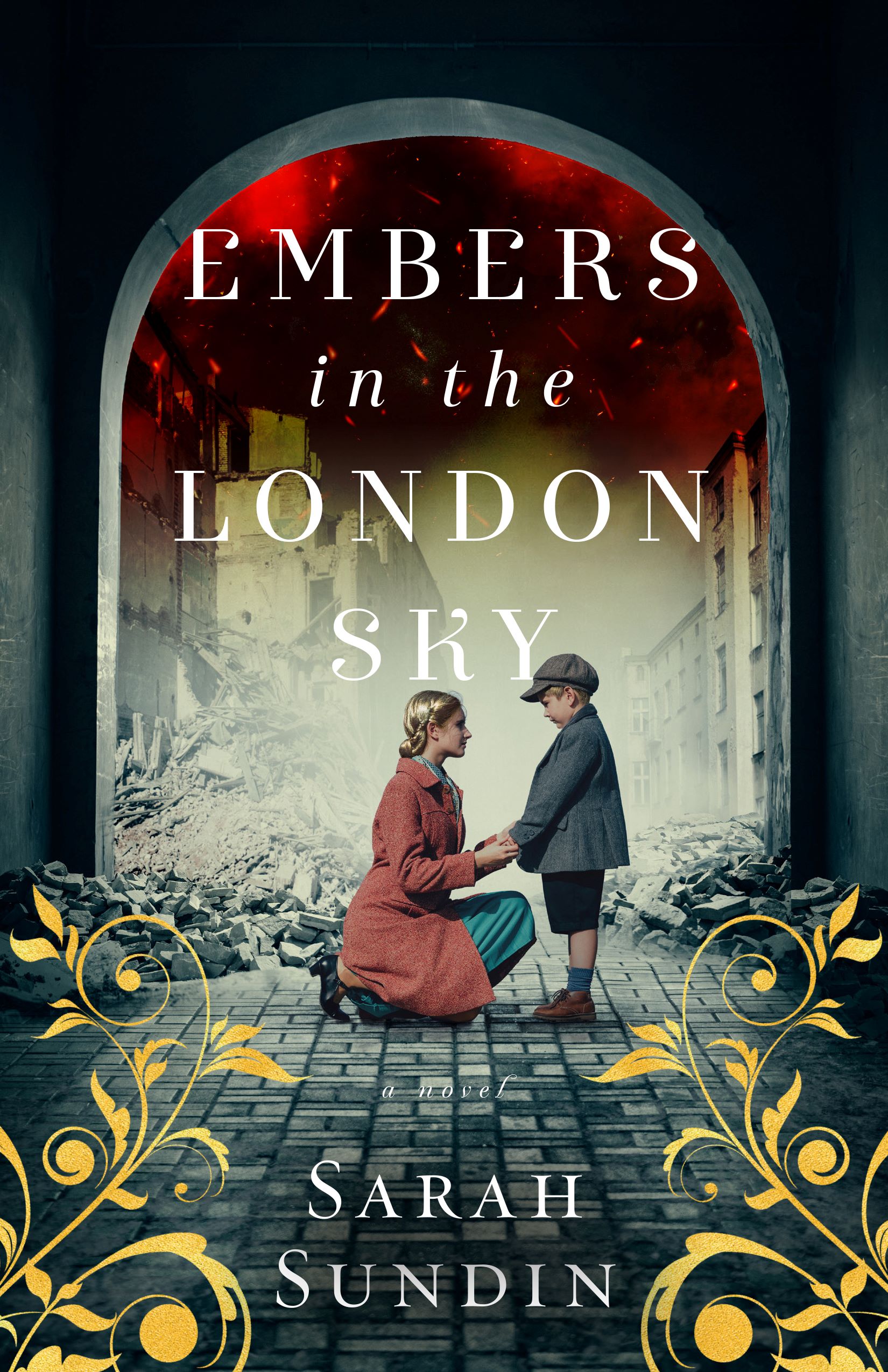

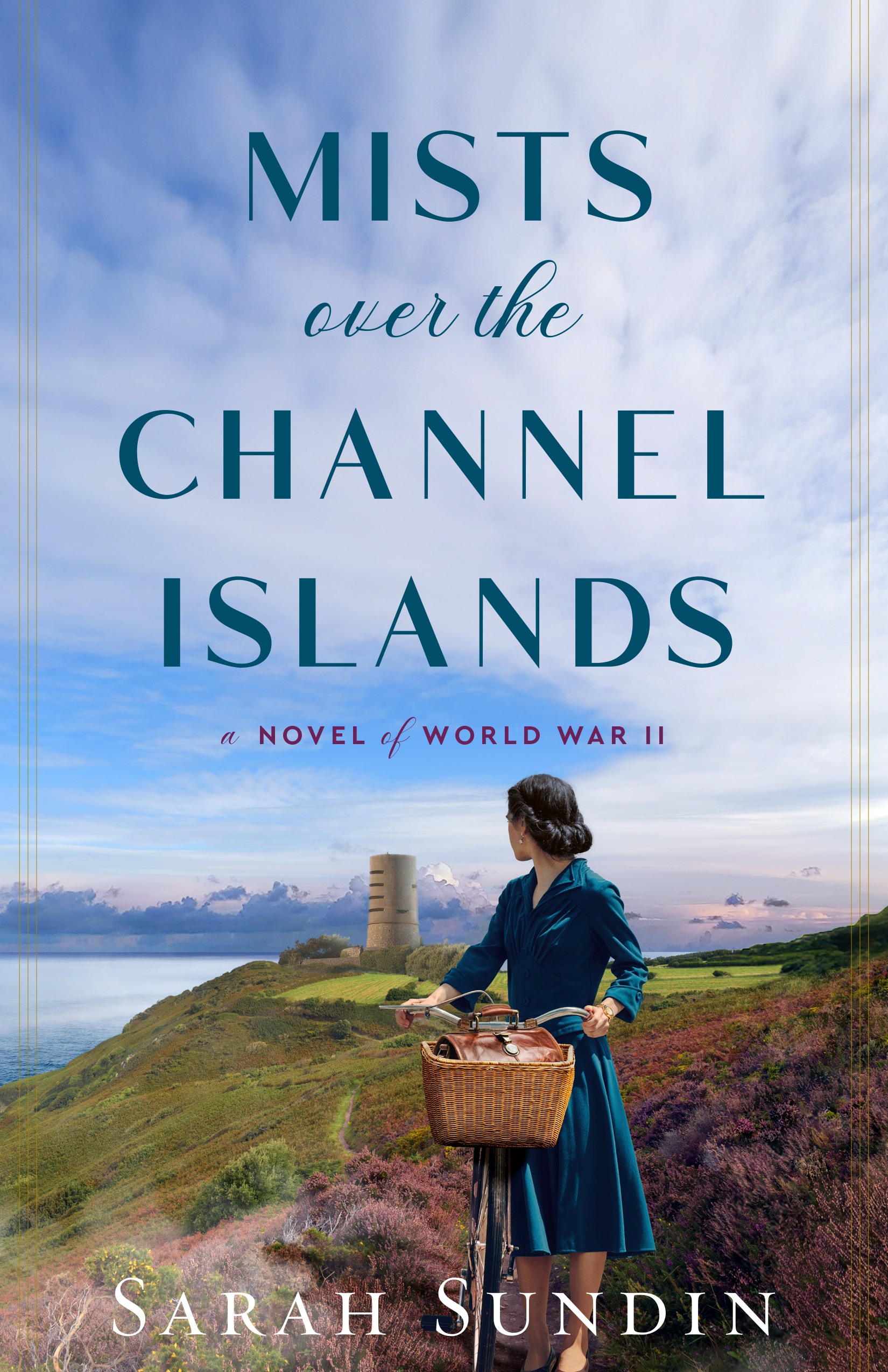
Midnight on the Scottish Shore
To escape the Nazis, she must become a spy. To save the Allied cause, must he betray his heart?
The only way Cilla van der Zee can survive the German occupation of the Netherlands is to do the unthinkable–become a spy for the Nazis in Britain. She soothes her conscience with a plan to abandon her mission and instead aid the Allies. Her scheme is thwarted when naval officer Lt. Lachlan Mackenzie finds her along the Scottish shore and turns her in to be executed.
But perhaps she is more useful alive than dead. British intelligence sends her to Scotland to radio misleading messages to Germany, messages about the naval base at Scapa Flow to be crafted by Lachlan. At the station in the lighthouse at Dunnet Head, Lachlan and Cilla must work together if the war is to be won. But how can he trust a woman who arrived on his shores as a tool of the enemy–a woman certain to betray both him and the Allied cause?
Master of World War II fiction Sarah Sundin takes you to the wild Scottish seaside, where danger lurks under the surface of the water–and in the depths of the human heart–for a WWII tale you won’t soon forget.


*Starred Review!* “Plenty of readers will be hooked at the idea of Scottish romance; add in spies and little-known World War II history, and Sundin has penned another historical hit. With shifting loyalties, a global geopolitical stage, family feuds, the legend of the Scottish selkie, and a forbidden romantic attraction, this novel has many of the best elements of historical fiction.”
“A pulse-pounding tale of divided loyalties during WWII. Sundin’s tight plotting and snappy dialogue keeps the suspense high as the plot builds to its satisfying conclusion. It’s captivating stuff.”
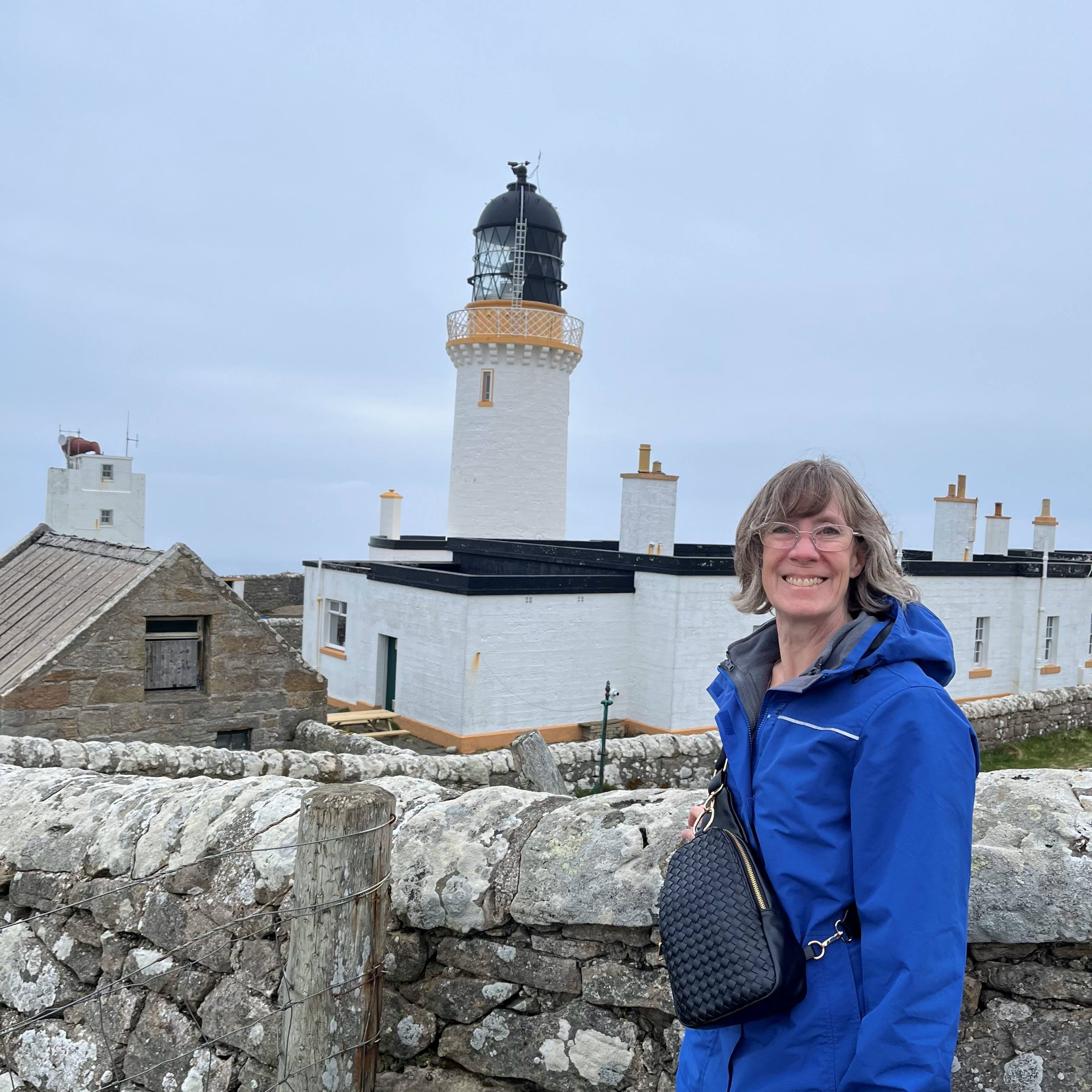
Dunnet Head Lighthouse is real—and gorgeous. The MI5 “occupation” of the lighthouse is entirely fictional on my part, and the lighthouse was still operated by the Northern Lighthouse Board during the war—although blacked out, as were all lighthouses in the United Kingdom.
Admiralty Experimental Station Number Six was established at Dunnet Head on December 15, 1940, one of a long chain of similar radio direction finding stations run by the Admiralty and the RAF. For this novel, I chose to use the early British terms of “radio direction finding” and “radiolocation” rather than “radar”—an American term not adopted by the British until June 1943, after the timeframe of this novel. As mentioned in the story, the British press was first allowed to report on radiolocation on June 18, 1941.
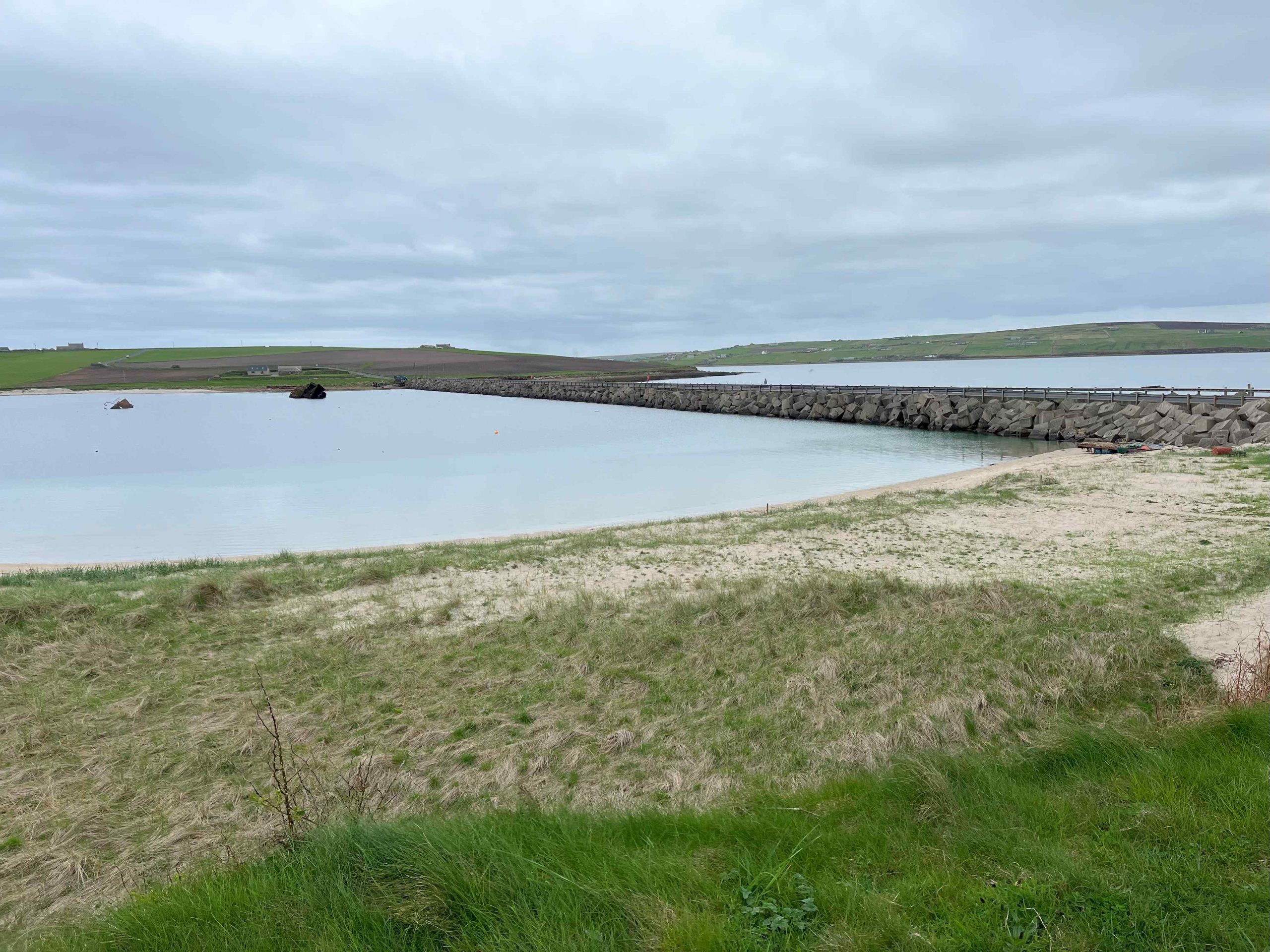
Scapa Flow served as the wartime base for the Home Fleet of the Royal Navy during both world wars. With the exception of the fictional explosion at the climax of the story, the events mentioned at Scapa Flow are historical. These include the sinking of HMS Royal Oak, the air raids, the sending off of HMS Hood, the arrival of US Task Force 39, the escort of Arctic convoys, the construction of the Churchill Barriers, the controversial use of Italian prisoners of war as labor, and the interwar salvage of the scuttled German fleet from World War I. Historical persons at Scapa mentioned in the story include Adm. John Tovey, Commander-in-Chief of the Home Fleet, and Mr. E.K. Adamson, Resident Superintending Civil Engineer of the Churchill Barriers at the time.

The story of Scotland in World War II is seldom told, but fascinating. Many of the challenges were those faced throughout Britain, such as air raids, shortages, and rationing. Separatism or nationalism was a minor factor in Scotland but considered subversive by MI5, leading to some raids and arrests. Free Caledonia is my fictional invention but is representative of groups of the time, with some members who opposed the “English War,” refused to register for conscription, and even suggested Scotland would be better off under the Germans. The popularity of these groups plummeted during the war, especially after the “Clydeside Blitz,” the devastating German air raids on the Glasgow area in March 1941.
Starting in September 1940, the German Abwehr sent dozens of agents to Britain by parachute and by boat. These men and women came from multiple nationalities and chose to join the Abwehr for a variety of reasons. Some were fervent Nazis, some were opportunists, and some favored the Allied cause and saw the Abwehr as their means of escape from occupied Europe. As noted in the story, these agents received shockingly little training. Many were arrested due to a lack of knowledge of British money and customs.
Britain’s MI5 was in charge of counterespionage—protecting the nation from enemy agents. It is believed only one Abwehr agent escaped capture during World War II—and he didn’t have a working wireless transmitter and committed suicide. Of the Abwehr agents captured throughout the war, sixteen were executed, but about three dozen were turned to become double agents. Established also in September 1940, MI5’s Double Cross program ran these cases.
At first the double agents concentrated on sending “chicken feed” to build trust with their Abwehr handlers. As the war progressed, MI5 experimented with fake sabotage and expanded to strategic deception, reaching a culmination on D-day, when MI5 double agents helped convince Germany that the Allies would land in the Pas de Calais rather than Normandy, which saved the lives of countless Allied soldiers.
In this novel, for the purpose of clarity for the reader, Lachlan and Cilla are entrusted with more information about Double Cross than they would have been in real life, including the knowledge that Bletchley Park codebreakers were deciphering internal Abwehr radio traffic—as of December 8, 1941—which showed MI5 that all Abwehr agents in Britain were in MI5 control.
Historical figures mentioned in the story include Thomas A. “Tar” Robertson, who ran the Double Cross program; Col. Robert “Tin-Eye” Stephens, commandant of Camp 020, where MI5 interrogated newly captured Abwehr agents; and Peter Perfect, the Regional Security Liaison Officer based in Aberdeen in April 1941.