Get new blog posts sent directly to your email inbox!

Today in World War II History

Read Today's Article
Murmur in the Mudcaves by Kathleen Denly

Murmur in the Mud Caves by Kathleen Denly

In 1873, Biddie Davidson dreams of opening a bakery in San Francisco for the city’s elite. But when she receives a letter from her long-lost sister, Ginny, Biddie is determined to go help. Since a devastating attack by bandits and a fire, Ginny is all alone on Lupine Valley Ranch in eastern San Diego County, and she needs the money sent by Biddie’s adoptive parents. The scene of devastation that greets Bi... Read Article
Within These Walls of Sorrow by Amanda Barratt

Within These Walls of Sorrow by Amanda Barratt

When the Germans invade Poland, newlywed Zosia Lewandowska loses her husband, but she takes comfort in her growing friendship with her young neighbor Hania Silberman. But Hania is Jewish, and soon the Silberman family is forced to leave their home and belongings to move to the ghetto in Krakow. As a pharmacist, Zosia takes a job at a pharmacy in the ghetto. Free to come and go, Zosia uses her position to sneak food a... Read Article
In This Moment by Gabrielle Meyer

In This Moment by Gabrielle Meyer

In 1861, Margaret Wakefield, daughter of a US senator, tries to help the wounded from the first battles of the Civil War and tries to decide if the intriguing Graydon Cooper is a Southern sympathizer . . . or a spy. In 1941, Maggie Hollingsworth serves as a nurse on a US Navy hospital ship, where she meets Dr. Zechariah Philips . . . whose abrasive nature conceals both hurt and compassion. In 2001, medical student Me... Read Article
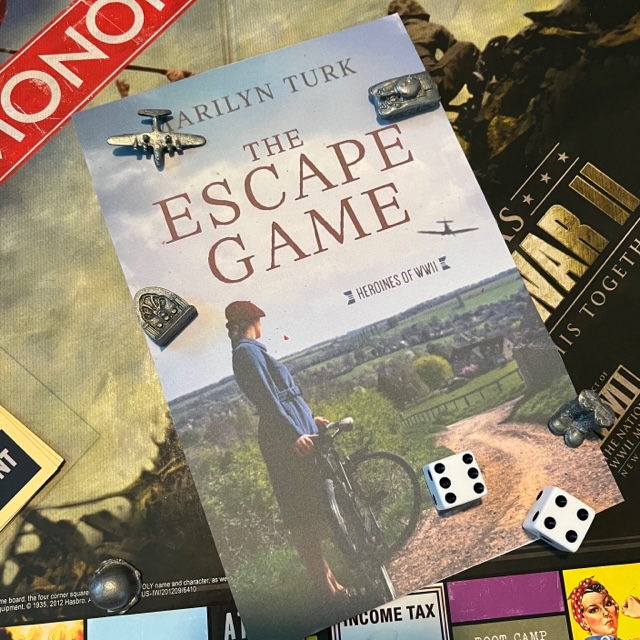
The Escape Game by Marilyn Turk

The Escape Game by Marilyn Turk

In Leeds, England, in World War II, Beryl Clarke has her hands full with volunteering as an Air Raid Precautions warden, her day job, and her grieving mother. When her pilot brother, James, goes missing in action, Beryl worries whether it might be all too much for her mother. Then she finds out that her company, Waddingtons, is secretly making escape kits for prisoners of war hidden inside Monopoly games. Kenneth Bor... Read Article
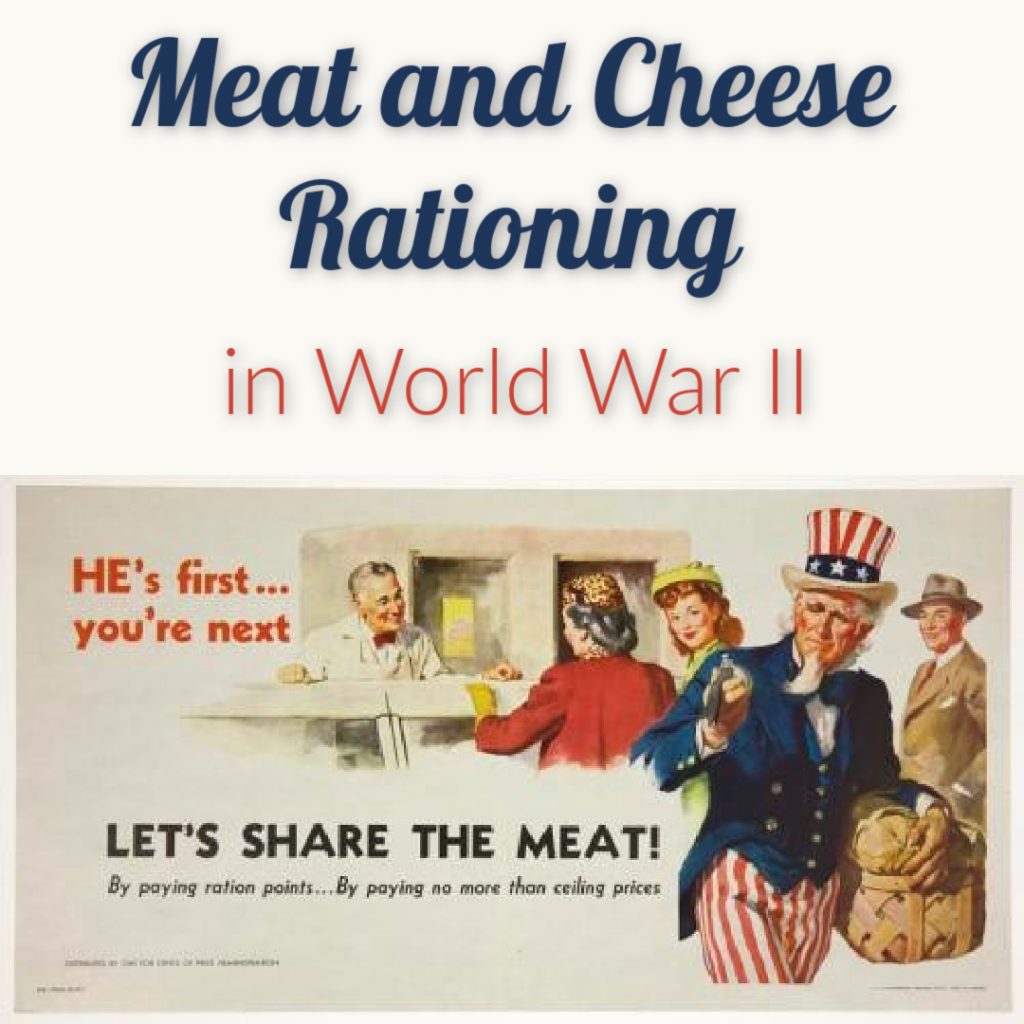
Make It Do - Meat and Cheese Rationing in World War II - on Sarah Sundin's blog

Make It Do – Meat and Cheese Rationing in World War II

Rationing of meat and cheese was an important part of life on the US Home Front. A complex and constantly changing system kept grocery shoppers on their toes. Why meat and cheese? The United States produced meat and cheese for her civilians and military, and also for her Allies. During World War I, food shortages were a serious problem, with hoarding, escalating prices, and rushes on stores. When World War II started... Read Article
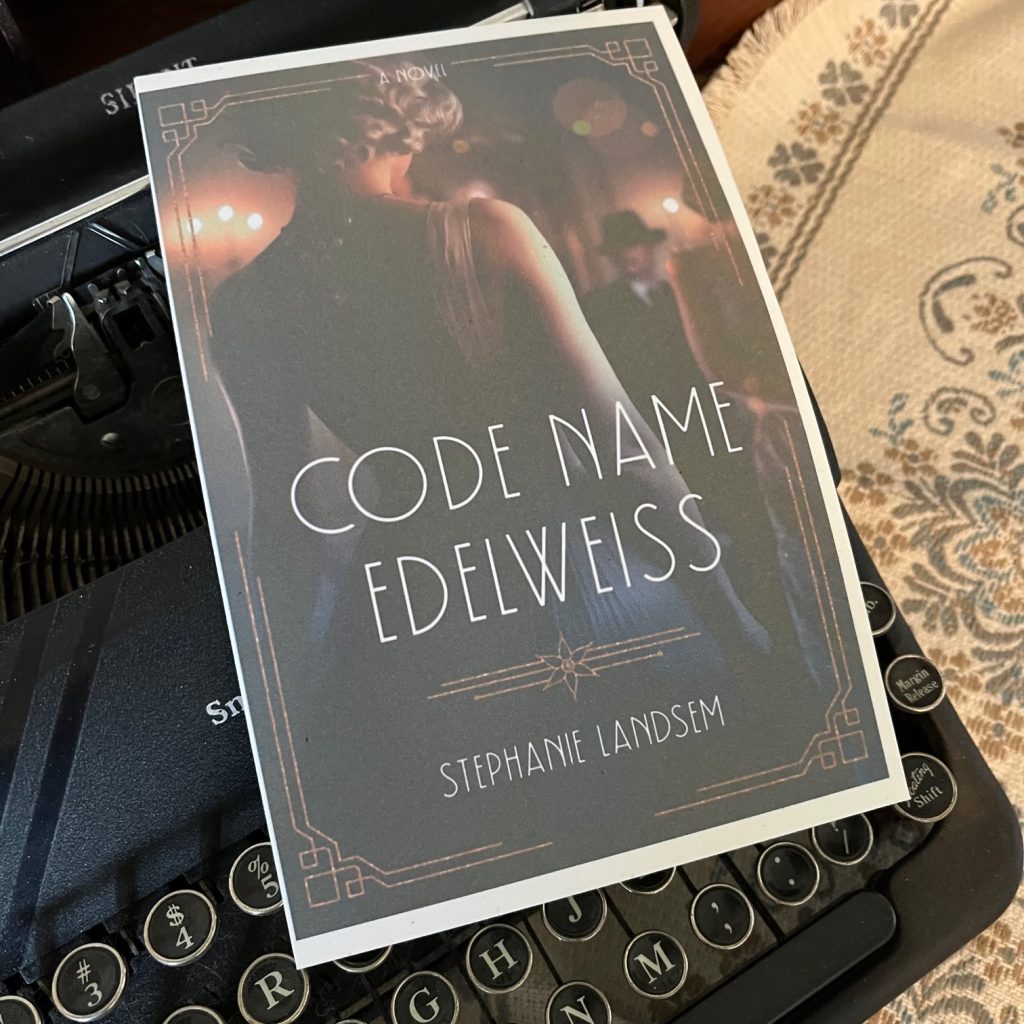
Code Name Edelweiss by Stephanie Landsem

Code Name Edelweiss by Stephanie Landsem

Despite a long family history working for MGM Studios, Liesl Weiss is fired from her stenographer’s job during the Great Depression. Abandoned by her husband, Liesl struggles to support her two children, her mother, and her shiftless brother. Then she receives a strange job offer from Jewish lawyer Leon Lewis, asking Liesl, a part of the German-American community in Los Angeles, to infiltrate the Friends of the... Read Article
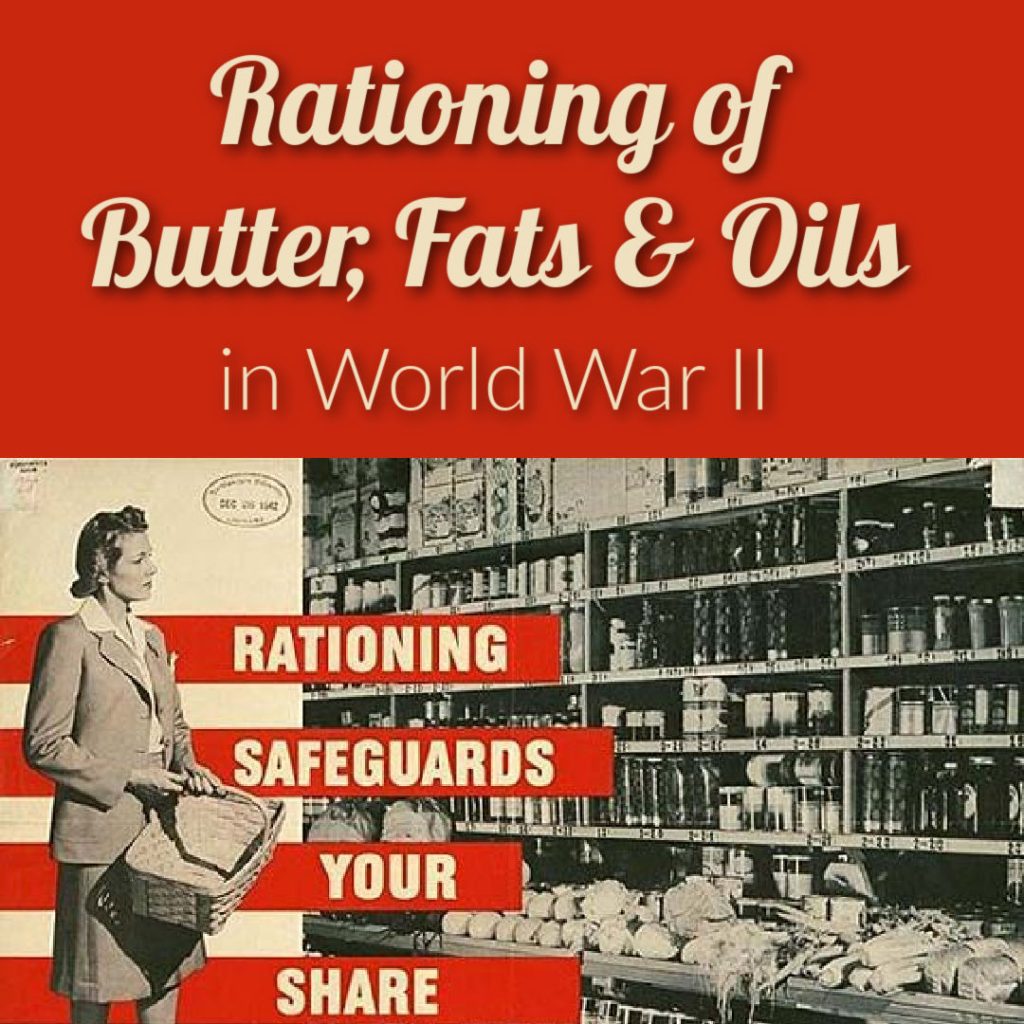
Make It Do - Rationing of Butter, Fats & Oils in World War II - on Sarah Sundin's blog

Make It Do – Rationing of Butter, Fats & Oils in World War II

Rationing was part of life on the US Home Front during World War II. Along with gasoline, sugar, coffee, canned and processed foods, meat, and cheese—butter, fats, and oils were rationed. To help produce the glycerin needed by the military, housewives also collected kitchen waste fats. Why Fats? Shortages of butter and oils began early in the war. Most cooking oils came from Pacific lands conquered by the Japanese,... Read Article
The Metropolitan Affair by Jocelyn Green

The Metropolitan Affair by Jocelyn Green

For Lauren Westlake, the King Tut craze in 1925 gives her a chance to prove herself as an Egyptologist at the Metropolitan Museum in New York City – and to her own father. with whom she has a distant and guarded relationship. For Detective Joe Caravello, the same craze has led to a wave of forgeries. The only person he can think of to help him is his old friend – and object of his unrequited love – ... Read Article
Make It Do - Rationing of Canned Goods in World War II - on Sarah Sundin's blog

Make It Do – Rationing of Canned Goods in World War II

  Rationing of processed foods was an important part of life on the US Home Front. A complex and constantly changing system kept the grocery shopper on her toes. Why processed foods? Tin was short. The Japanese controlled 70 percent of the world’s tin supply. Tin’s resistance to temperature, shock, and moisture made it an ideal packaging material. The US military used it for ration tins, ammunition boxes, pl... Read Article
Shoe Rationing in World War II, on Sarah Sundin's blog

Make It Do – Shoe Rationing in World War II

During World War II, many items were rationed in the United States, including shoes. Why Shoe Rationing? Due to the serious rubber shortage (Make It Do-Tire Rationing in World War II), footwear made of rubber or with rubber soles was rationed or unavailable. Also, the military had a high need for leather, not just for shoes and combat boots, but for those popular leather flight jackets. As a result, civilians made do... Read Article
“Another riveting World War II romance.”
—Publishers Weekly review for Mists over the Channel Islands
NOW AVAILABLE!

A Free Gift for You

Make It Do - The US Home Front in World War II

When you subscribe to my monthly enewsletter, you’ll also receive “Make It Do – The US Home Front in World War II,” a collection of my popular blog posts. As a subscriber, you’ll also be the first to learn about my upcoming novels.

Thank you for subscribing!